Exploring African Traditions: A Journey Through Heritage
African traditions are a rich tapestry of cultures, languages, and histories that have evolved over millennia. Each region, country, and community boasts unique customs and practices that reflect their values, beliefs, and experiences. In this blog post, we will embark on a journey through some of the most fascinating African traditions, exploring their significance and the ways they continue to shape contemporary life across the continent.

The Importance of Oral Traditions
Oral traditions are a cornerstone of African heritage. They encompass storytelling, proverbs, and songs that have been passed down through generations. These narratives serve multiple purposes:
Preservation of History: Oral traditions help to keep the history of communities alive, recounting tales of ancestors, significant events, and cultural practices.
Moral Education: Many stories carry moral lessons, teaching values such as honesty, respect, and community cohesion.
Cultural Identity: Through storytelling, individuals connect with their cultural roots, fostering a sense of belonging and identity.
For example, the Griot tradition in West Africa involves skilled storytellers who are responsible for preserving the history of their people through music and oral narratives. Griots are often seen as historians, musicians, and poets, playing a vital role in their communities.
Traditional Music and Dance
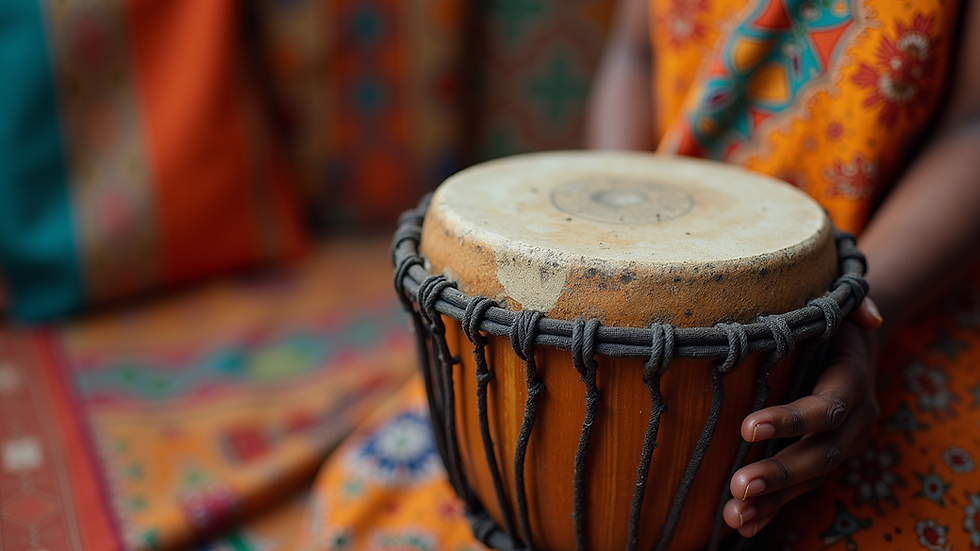
Music and dance are integral to African traditions, often accompanying rituals, celebrations, and communal gatherings. Each region has its own unique styles and instruments, reflecting local cultures and histories.
Instruments and Styles
Djembe: A goblet drum from West Africa, known for its wide range of tones and rhythms.
Kora: A 21-string lute-bridge-harp used in West African music, often played by Griots.
Mbira: Also known as the thumb piano, this instrument is popular in Zimbabwe and is used in various ceremonies.
Cultural Significance
Music and dance serve as a means of expression, celebration, and healing. For instance, the Adamu Orisha Play in Nigeria combines music, dance, and drama to honor the gods and ancestors, reinforcing community bonds and cultural identity.
Traditional Clothing and Attire
Clothing in Africa is not just about fashion; it is deeply intertwined with cultural identity and social status. Traditional attire varies widely across the continent, often reflecting local materials, colors, and designs.
Examples of Traditional Attire
Kente Cloth: Originating from Ghana, Kente is a colorful woven fabric that symbolizes wealth and cultural pride. It is often worn during significant ceremonies.
Shúkà: A traditional Maasai garment, the Shúkà is a red or checkered cloth worn by men and women, symbolizing their identity and heritage.
Boubou: A flowing robe worn in West Africa, often made from brightly colored fabrics and adorned with intricate embroidery.
These garments are not only functional but also serve as a visual representation of cultural heritage, often worn during important life events such as weddings, naming ceremonies, and festivals.
Rituals and Ceremonies
Rituals and ceremonies are vital aspects of African traditions, marking significant life events and transitions. They often involve elaborate preparations, communal participation, and deep spiritual significance.
Key Ceremonies
Initiation Rites: Many African cultures have initiation ceremonies that mark the transition from childhood to adulthood. These rites often involve tests of courage and knowledge, preparing the youth for their roles in society.
Marriage Ceremonies: Traditional weddings vary widely but often include rituals that honor both families and the community. For example, in Zulu culture, the bride price, known as lobola, is an important aspect of the marriage process.
Funeral Rites: Death is treated with great respect, and funeral rites can be elaborate, involving music, dance, and communal mourning. These ceremonies help the community to grieve and celebrate the life of the deceased.
Festivals and Celebrations
Festivals are vibrant expressions of culture, bringing communities together to celebrate their heritage. They often feature music, dance, food, and traditional rituals.
Notable Festivals
Durbar Festival: Celebrated in northern Nigeria, this festival showcases horse riding, traditional music, and colorful attire, commemorating the end of Ramadan.
Fes Festival of World Sacred Music: Held in Morocco, this festival attracts artists from around the globe, promoting cultural exchange and understanding through music.
Timkat: An Ethiopian Orthodox celebration of Epiphany, Timkat involves colorful processions, traditional clothing, and reenactments of Jesus' baptism.
These festivals not only celebrate cultural heritage but also promote unity and understanding among diverse communities.
The Role of Religion in African Traditions
Religion plays a significant role in shaping African traditions, influencing customs, rituals, and community life. The continent is home to a variety of belief systems, including traditional African religions, Christianity, and Islam.
Traditional Beliefs
Many African communities practice indigenous religions that emphasize the connection between the living and the ancestors. Rituals often involve offerings, prayers, and ceremonies to honor the spirits of ancestors and seek their guidance.
Christianity and Islam
With the spread of Christianity and Islam, many African cultures have integrated elements of these religions into their traditional practices. For instance, in some communities, Christian weddings may incorporate traditional rituals, blending both faiths.
Contemporary Influences on African Traditions
As Africa continues to evolve, traditional practices are influenced by globalization, urbanization, and technological advancements. While some traditions may fade, others adapt and thrive in modern contexts.
Cultural Fusion
Many young Africans are embracing a blend of traditional and contemporary styles, evident in music, fashion, and art. For example, genres like Afrobeats and Hip Hop incorporate traditional rhythms and instruments, creating a unique fusion that resonates with younger audiences.
Preservation Efforts
Organizations and individuals are working to preserve and promote African traditions through education, cultural exchanges, and documentation. Initiatives like cultural festivals and workshops help to raise awareness and appreciation for the continent's diverse heritage.
Conclusion
Exploring African traditions offers a glimpse into the rich cultural heritage that shapes the lives of millions. From oral storytelling to vibrant festivals, these practices are not just remnants of the past; they are living expressions of identity, community, and resilience. As we celebrate and preserve these traditions, we also foster a deeper understanding of the diverse cultures that make up the African continent.
By engaging with these traditions, we can appreciate the values they embody and the lessons they impart, ensuring that they continue to thrive for generations to come.

Comments