Preserving African Heritage: A Cultural Responsibility
African heritage is a treasure trove of history, art, and traditions that have shaped not only the continent but also the world. As globalization continues to influence cultures, the need to preserve African heritage has never been more critical. This blog post explores the importance of safeguarding our cultural identity, the challenges we face, and actionable steps we can take to ensure that future generations inherit a rich and diverse cultural legacy.
Understanding African Heritage
African heritage encompasses a wide range of elements, including languages, music, dance, art, and traditional practices. Each of the continent's 54 countries boasts unique cultural expressions, reflecting the diverse histories and experiences of its people.
Key Components of African Heritage
Languages: Africa is home to over 2,000 languages, each carrying its own history and cultural significance. The preservation of these languages is crucial for maintaining cultural identity.
Art and Craftsmanship: From intricate beadwork to stunning sculptures, African art is a vital expression of cultural narratives. These artworks often tell stories of ancestry, spirituality, and community.
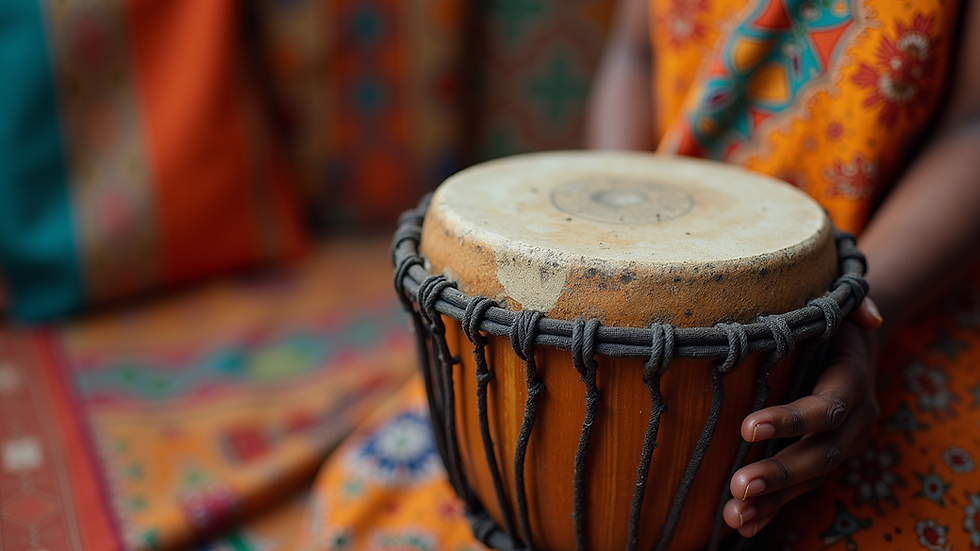
Music and Dance: Music is an integral part of African culture, serving as a means of storytelling and community bonding. Traditional dances often accompany music, celebrating life events and cultural rituals.
Traditional Practices: Many African communities maintain customs and practices that have been passed down through generations. These include rituals, festivals, and traditional medicine, all of which contribute to the cultural fabric of society.
The Importance of Preservation
Preserving African heritage is not just about maintaining traditions; it is about fostering a sense of identity and belonging. Here are some reasons why this cultural responsibility is essential:
Identity and Belonging
Cultural heritage provides individuals with a sense of identity. Understanding one's roots fosters pride and belonging, which is especially important in a world that often promotes homogenization.
Education and Awareness
Preserving heritage allows for the education of future generations about their history and culture. This knowledge empowers individuals to appreciate their background and promotes cultural awareness among diverse communities.
Economic Opportunities
Cultural heritage can also drive economic growth. By promoting traditional crafts, music, and tourism, communities can create sustainable livelihoods while preserving their cultural identity.
Challenges to Preservation
Despite the importance of preserving African heritage, several challenges threaten its survival:
Globalization
Globalization often leads to the dilution of local cultures as Western influences dominate. This can result in younger generations losing touch with their cultural roots.
Urbanization
As more people move to urban areas, traditional practices and languages may fade away. Urban environments often prioritize modernity over cultural preservation.
Conflict and Displacement
Wars and conflicts can lead to the destruction of cultural sites and the displacement of communities. This not only erases physical heritage but also disrupts the transmission of cultural knowledge.
Steps to Preserve African Heritage
While the challenges are significant, there are actionable steps that individuals and communities can take to preserve African heritage:
1. Education and Awareness Programs
Implementing educational programs that focus on cultural heritage can help raise awareness among younger generations. Schools can incorporate local history and traditions into their curricula.
2. Supporting Local Artisans
Encouraging the purchase of handmade crafts and artworks from local artisans helps sustain traditional practices. This support not only preserves skills but also provides economic opportunities for communities.
3. Documentation and Archiving
Creating archives of oral histories, traditional practices, and languages is essential for preservation. This can be done through community projects that involve recording stories and practices from elders.
4. Cultural Festivals and Events
Organizing cultural festivals can celebrate and showcase traditional practices, music, and art. These events foster community pride and encourage participation from younger generations.
5. Collaboration with NGOs
Partnering with non-governmental organizations that focus on cultural preservation can amplify efforts. These organizations often have resources and expertise that can aid in preservation initiatives.
The Role of Technology
Technology can play a significant role in preserving African heritage. Digital platforms can be used to document and share cultural practices, making them accessible to a global audience.
Digital Archives
Creating online archives of traditional music, dance, and art can help preserve these elements for future generations. This also allows for the sharing of cultural knowledge beyond geographical boundaries.
Social Media Campaigns
Utilizing social media to promote cultural events and heritage can engage younger audiences. Campaigns that highlight the importance of cultural preservation can foster a sense of responsibility among the youth.
Conclusion
Preserving African heritage is a cultural responsibility that requires collective effort. By understanding the importance of our heritage, recognizing the challenges we face, and taking actionable steps, we can ensure that future generations inherit a rich and diverse cultural legacy. It is not just about preserving the past; it is about shaping a future where cultural identity thrives.
As individuals, communities, and nations, we must commit to safeguarding our heritage. Let us celebrate our diversity, honor our traditions, and work together to keep the spirit of Africa alive for generations to come.


Comments